Where PVC Waterstops Are Used in Dams, Tunnels and Basements
Complete Guide to Construction Joint Waterproofing in Critical Structures
In large-scale civil engineering projects such as dams, tunnels, and basements, controlling water leakage is one of the most critical challenges. These structures are constantly exposed to high water pressure, groundwater seepage, and environmental stress, making joint waterproofing essential.
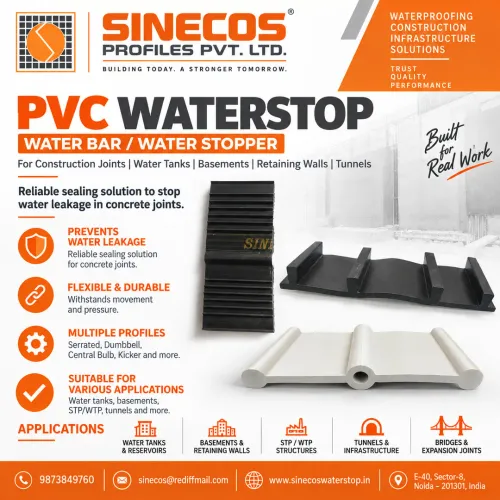
One of the most trusted solutions used across these projects is the PVC Waterstop, also known as PVC Water Bar, PVC Water Stopper, or Construction Joint Waterstop.
What is a PVC Waterstop?
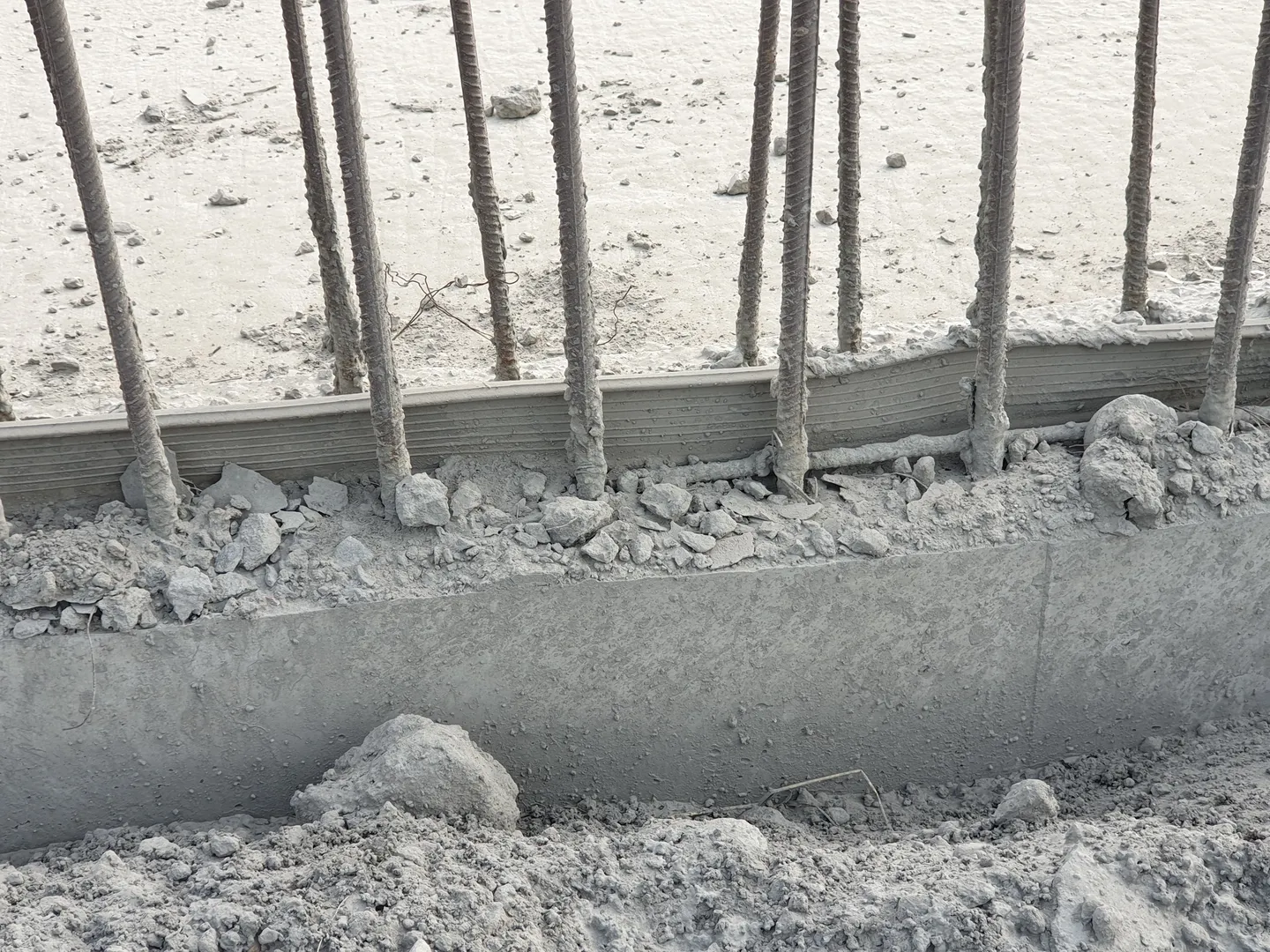
A PVC waterstop is a specially designed flexible profile embedded within concrete joints to:
✔ Prevent water leakage
✔ Seal construction and expansion joints
✔ Provide long-term waterproofing
It acts as a continuous barrier inside the joint, stopping water from passing through even under pressure.
Why PVC Waterstops Are Essential
Concrete structures are built in stages, which creates construction joints—the weakest points for water ingress.
Without proper sealing:
❌ Water leakage occurs
❌ Structural durability is compromised
❌ Maintenance costs increase
PVC waterstops eliminate this risk by forming a permanent waterproof barrier.
Where PVC Waterstops Are Used
1️⃣ PVC Waterstops in Dams
Dams are exposed to extreme hydrostatic pressure and require highly reliable waterproofing systems.
Applications:
- Construction joints in concrete blocks
- Expansion joints
- Spillways and water retaining sections
Why Important:
✔ Prevent leakage under high pressure
✔ Maintain structural integrity
✔ Ensure long-term durability
👉 PVC waterstops are critical in ensuring dams remain leak-proof and safe.
2️⃣ PVC Waterstops in Tunnels
Tunnels are built underground and are constantly exposed to groundwater and seepage.
Applications:
- Tunnel lining joints
- Segment joints
- Underpass structures
Benefits:
✔ Prevent water ingress
✔ Protect internal structure
✔ Ensure dry and safe tunnel conditions
👉 Essential for infrastructure projects like metro tunnels and road underpasses.
3️⃣ PVC Waterstops in Basements
Basements are one of the most common areas where leakage occurs.
Applications:
- Raft slab joints
- Retaining walls
- Lift pits and sump pits
Benefits:
✔ Prevent groundwater seepage
✔ Protect interiors from dampness
✔ Ensure long-term usability
👉 PVC waterstops are the primary waterproofing solution for basement construction.
Types of PVC Waterstops Used
Dumbbell Type
- Used in construction joints
- Most common in basements and tunnels
Center Bulb Type
- Used in expansion joints
- Absorbs movement
Ribbed / Serrated Type
- Improves bonding with concrete
- Prevents displacement
Why PVC Waterstops Are Preferred
Compared to other waterproofing methods, PVC waterstops offer:
✔ High resistance to water pressure
✔ Flexibility and durability
✔ Long service life
✔ Easy installation and welding
✔ Reliable performance in critical structures
Common Structures Where PVC Waterstops Are Used
- Dams and reservoirs
- Tunnels and underpasses
- Basement structures
- Retaining walls
- Water tanks
- STP and ETP plants
Why Choose Sinecos PVC Waterstops?
Sinecos Profiles Pvt. Ltd. is a trusted manufacturer of PVC waterstops in India, supplying to infrastructure and civil engineering projects.
Key Highlights:
✔ High-quality PVC compound
✔ Available in multiple sizes and profiles
✔ Suitable for dams, tunnels, and basements
✔ Reliable performance under Indian site conditions
✔ Quick availability for project requirements
Contact Details
Sinecos Profiles Pvt. Ltd.
E-40, Sector-8, Noida – 201301, Uttar Pradesh
📞 +91 9810504233
📞 +91 9873849760
Final Words
PVC waterstops play a crucial role in ensuring the long-term waterproofing and durability of critical structures like dams, tunnels, and basements.
By sealing construction joints effectively, they help prevent water leakage, protect structural integrity, and reduce maintenance costs.
For projects where waterproofing reliability is essential, PVC waterstops remain one of the most trusted and widely used solutions.
Keywords