How to Properly Weld PVC Waterstops in Construction
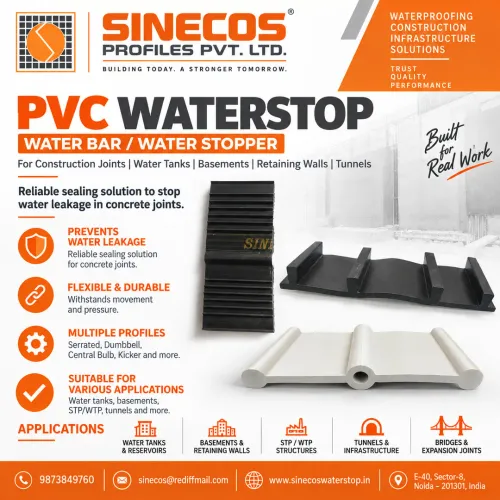
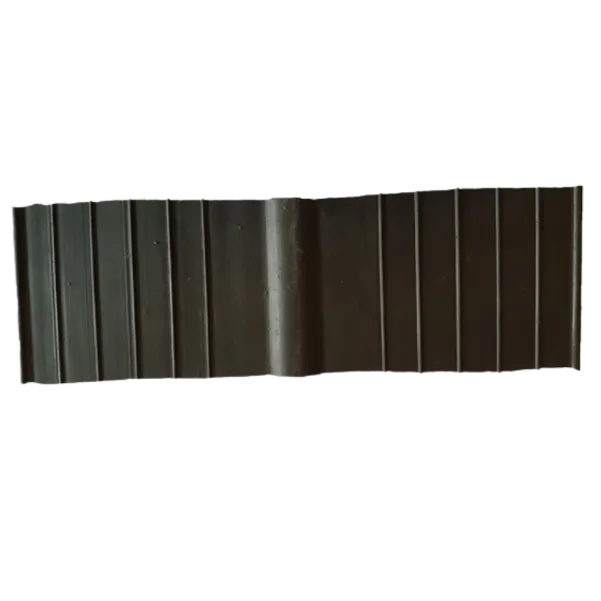
PVC waterstop welding is one of the most critical steps in ensuring leak-proof construction joints. Even if high-quality waterstops are used, improper welding can lead to joint failure, seepage, and long-term structural damage.
This guide explains the correct PVC waterstop welding procedure, tools required, common mistakes, and best practices used by professionals on-site.
How to join PVC Water Stops
What is PVC Waterstop Welding?
PVC waterstop welding is the process of joining two ends of waterstop profiles using heat, creating a continuous waterproof barrier across construction joints.
It is essential in:
- Basements & foundations
- Tunnels & underpasses
- Dams & reservoirs
- Diaphragm (D-wall) construction
- STP & water treatment plants
Why Proper Welding is Important
Improper welding can result in:
❌ Weak joints that open under pressure
❌ Water seepage through joints
❌ Failure of waterproofing system
✔ Proper welding ensures:
- Strong bonding
- Continuous sealing
- Long-term durability
Tools Required for PVC Waterstop Welding
For best results, use:
- PVC Waterstop Welding Heater (Recommended by Sinecos)
- Sharp cutter or blade
- Measuring scale
- Flat surface for alignment
Using a dedicated welding heater machine gives uniform heat and ensures professional quality joints.
Step-by-Step PVC Waterstop Welding Procedure
1. Cutting the Waterstop Ends
- Cut both ends of the PVC waterstop straight and clean
- Ensure no uneven edges
- Proper alignment is critical
2. Heating the Edges
- Place both ends against the heating plate of the welding machine
- Heat evenly until the edges become soft and slightly molten
⚠️ Avoid overheating — it can damage the material
3. Joining the Ends
- Remove both ends from the heater
- Immediately press them together firmly
- Hold in position for a few seconds
This creates a strong fused joint
4. Cooling Process
- Allow the joint to cool naturally
- Do not disturb or bend during cooling
A properly cooled joint ensures maximum strength.
5. Checking the Joint
After welding:
✔ Check alignment
✔ Ensure no gaps
✔ Confirm uniform thickness
A good weld should look like a single continuous profile
Watch Actual PVC Waterstop Welding (Sinecos Demo)
🎥 Watch our real site welding demonstration here:
👉 https://www.youtube.com/watch?v=BnzCroxOJCM
This video shows the correct method using Sinecos welding heater, ensuring strong and reliable joints.
Why Use Sinecos Welding Heater?
At Sinecos Profiles Pvt. Ltd., we recommend using our specialized PVC waterstop welding heater for best results.
✔ Uniform heating
✔ Easy to use on site
✔ Ensures strong bonding
✔ Reduces human error
✔ Suitable for all standard PVC waterstops
Common Mistakes to Avoid
• Uneven cutting of edges
• Overheating or underheating
• Poor alignment before joining
• Moving joint before cooling
• Using improper tools
Avoiding these ensures leak-proof performance
Advantages of Properly Welded PVC Waterstop
• Continuous waterproof barrier
• High joint strength
• Long service life
• Suitable for high-pressure water zones
• Reliable performance in critical structures
PVC Waterstop Manufacturer & Supplier in India
Sinecos Profiles Pvt. Ltd. is a trusted name in manufacturing:
- PVC Waterstops
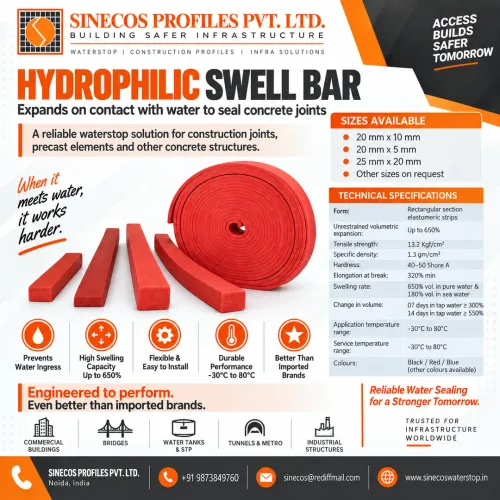
- Hydrophilic Swell Bars
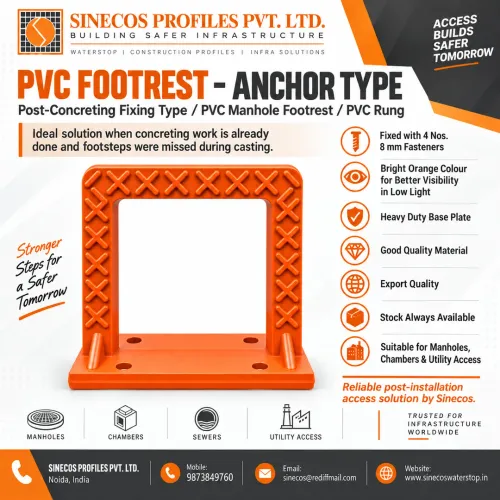
- PVC Footsteps
- PVC Handrails
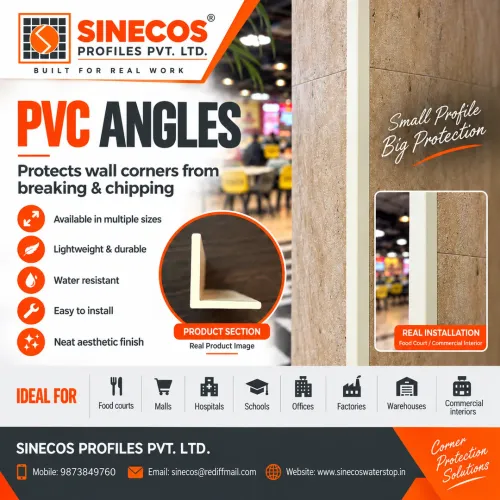
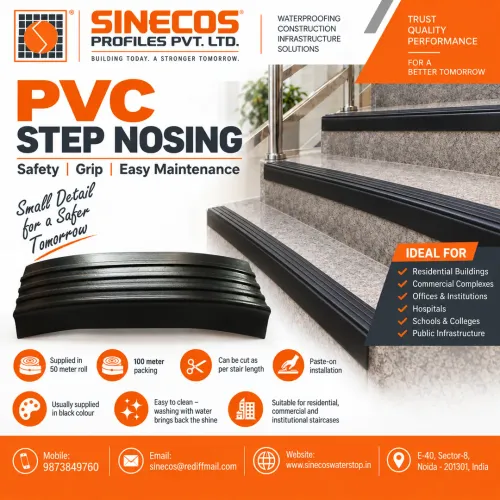
- Construction Accessories
Our products are used across major infrastructure projects in India.
Contact Details
Sinecos Profiles Pvt. Ltd.
E-40, Sector-8, Noida – 201301, Uttar Pradesh
📞 +91 9810504233
📞 +91 9873849760
Final Words
Proper welding is the backbone of any PVC waterstop installation system. Using the right technique and tools like the Sinecos welding heater ensures a strong, leak-proof, and long-lasting joint.
For reliable waterproofing solutions, always choose high-quality products + correct installation methods.
Keywords